Reviewing Lord Let Them See You Embroidery Design
As a designer who spends more time staring at stitch previews than actual fabric, I have learned that not every T-Shirt Designs file translates well to the needle. Some look stunning on a screen but turn into a tangled mess of thread breaks and puckering once they hit the hoop. When I first pulled up the Lord Let Them See You T Shirt Design, my initial reaction was cautious optimism. The typography is bold, the message is clear, and the spiritual weight of the phrase demands a certain level of visual dignity. But does it hold up under the mechanical reality of an embroidery machine? After putting this file through its paces on various textiles, I am ready to share my practical assessment for fellow crafters, Etsy sellers, and apparel decorators.
First Impressions and Visual Personality
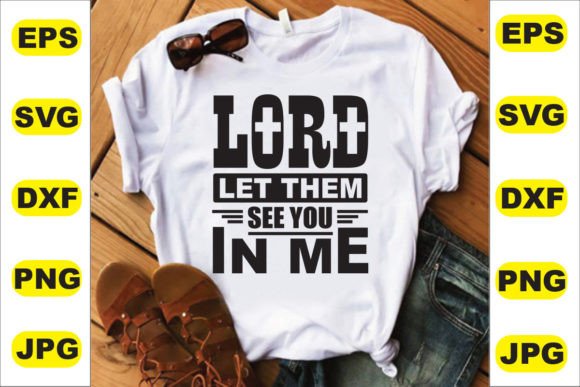
The mood of this design is reverent yet modern. It avoids the overly ornate, script-heavy styles that often plague religious Graphics, opting instead for a clean, readable aesthetic. This is crucial for embroidery. When you are working with thread, clarity is king. The layout feels balanced, with a visual personality that suggests strength and faith without being aggressive. For a machine embroidery design, this simplicity is a significant advantage. Complex gradients and tiny serifs often get lost in translation, but this design relies on strong shapes that should retain their integrity after stitching.
I immediately considered where this would fit best. It does not feel like a subtle accent; it is a statement piece. This makes it ideal for the center chest of a hoodie, the back of a tote bag design, or even a large patch for a jacket. The visual weight commands attention, which is exactly what you want when the message is about visibility and faith.
Real-World Application: The Sweatshirt Test
To truly evaluate the Lord Let Them See You T Shirt Design, I moved beyond digital mockups and into the studio. My test case was a custom order for a local youth group leader who wanted sweatshirt embroidery that felt contemporary rather than dated. I chose a mid-weight cotton blend fleece, a common choice for custom apparel because it offers a stable surface for stitching.
The results were promising. Because the design is described as being made with vector shapes, the scalability is a major benefit. I resized it to fit a 5x7 hoop without losing definition. The lines remained crisp, and the spacing between letters was sufficient to prevent the fabric from bunching up between characters. This is a common pitfall in text-based embroidery project work. If the kerning is too tight, the fill stitch areas merge, creating a dense blob of thread that ruins the readability. Here, the breathing room allowed each letter to stand out, ensuring the message was legible from a distance.
For an Etsy seller or small shop owner, this reliability is gold. You do not want to spend twenty minutes hooping a garment only to rip it out because the design collapsed. This file appears to be structured with production efficiency in mind, which directly impacts your profit margin by reducing waste and rework.
Navigating Fabric Challenges and Stitch Density
While the design performs well on stable fabrics like cotton twill or fleece, I would advise caution when using it on thinner or stretchier materials. The stitch density seems moderate to high, which is necessary for solid coverage but can cause puckering on lightweight t-shirts if not properly stabilized. If you are planning to use this for baby embroidery on a onesie, I strongly recommend using a cut-away stabilizer rather than tear-away. The tension from the stitches needs support that will last through multiple washes.
Another consideration is curved surfaces. I attempted to stitch this on a structured cap, using a smaller version of the design. While it worked, the curvature of the brim distorted the horizontal lines slightly. For caps, I would recommend digitizing a slight arch into the text if your software allows, or carefully hooping with extra attention to grain alignment. For flat items like aprons, pillow covers, or kitchen towels, the design lays perfectly flat. However, on textured fabrics like waffle knit or heavy linen, some of the finer details might get swallowed by the weave. Always test on scrap fabric first to check how the thread colors interact with the fabric texture.
Commercial Viability and Brand Consistency
For those running a craft business, the versatility of this asset is a key selling point. The product description notes that it includes EPS, DXF, PNG, SVG, and JPEG files. This is a comprehensive suite for a modern maker. While the embroidery machine uses specific formats (often PES, DST, or JEF, which you should confirm are included or convertible from the provided vectors), the vector files allow you to create matching printable mockup assets for your online store. You can show customers how the finished product looks on a shirt before you even thread the needle.
This multi-format approach supports brand consistency. You can use the SVG for heat transfer vinyl projects and the embroidery file for stitched items, offering customers a range of personalized gift options. Whether it is for holiday embroidery during the Christmas rush or a year-round faith-based collection, the design holds its own. It feels professional, which builds customer trust. A sloppy stitch-out can damage your reputation, but a clean, well-executed design like this enhances perceived value.
Practical Designer Notes for Best Results
- Check Your License: Before selling any commercial embroidery items, always verify the licensing terms. Ensure you have the right to sell finished physical goods using this digital embroidery file.
- Stabilizer Selection: Match your stabilizer to your fabric. Use cut-away for knits and stretchy fabrics to prevent distortion over time.
- Thread Contrast: This design relies on readability. Test high-contrast thread combinations. White thread on black fabric is classic, but consider gold or silver metallic threads for a premium boutique product feel, keeping in mind that metallics may require slower machine speeds.
- Hoop Size Verification: Confirm the maximum dimensions of the design against your machine’s largest hoop. Since it is resizable, ensure you do not scale it so small that the satin stitch borders become too thin to catch properly.
- Digital Previews: Use the included PNG and JPEG files to create social media content. Showcasing the design digitally can drive sales for your small shop product listings before you commit to production inventory.
In conclusion, the Lord Let Them See You T Shirt Design is a robust addition to any designer’s library. It bridges the gap between spiritual messaging and modern aesthetic trends. By respecting the technical limitations of embroidery—such as density, fabric choice, and stabilization—you can produce high-quality handmade product items that resonate with buyers. It is not just a graphic; it is a tool for creating meaningful, tangible expressions of faith. For the serious maker, it offers the reliability needed for consistent commercial success.