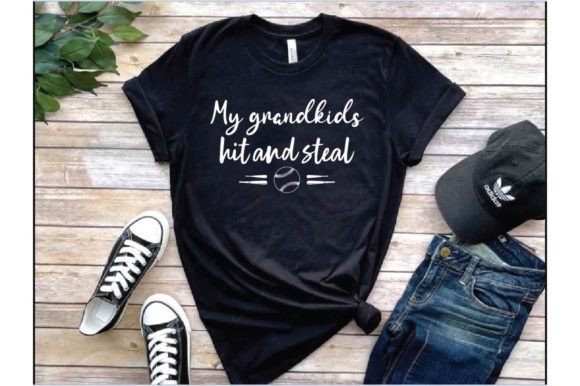
Reviewing the My Grandkids Hit Steal Design for Embroidery
As an embroidery designer who has spent years digitizing and stitching thousands of patterns, I have learned that a great graphic does not always translate into a great machine embroidery design. When I first pulled up the file for My Grandkids Hit Steal. T Shirt Design, my immediate reaction was one of cautious optimism. The typography is bold, the message is playful, and the Christian theme adds a layer of warmth that resonates with a specific, loyal customer base. However, moving from a digital screen to actual fabric requires a critical eye. I needed to determine if this design would hold up under the needle, especially when applied to real-world items like sweatshirts, tote bags, and baby clothes.
First Impressions: Mood and Visual Personality
The visual personality of this design is undeniably cheerful. It captures that specific, joyful chaos of family life through a faith-based lens. For embroidery purposes, the layout appears clean, which is a significant advantage. Complex, cluttered graphics often result in messy stitching, but this design relies on strong typographic elements. This suggests that the stitch path should be relatively straightforward, likely utilizing a combination of satin stitch for outlines or smaller text and fill stitch for larger letterforms. The mood it creates is inviting, making it an excellent candidate for personalized gifts where emotional connection drives the purchase.
When evaluating T-Shirt Designs for conversion to embroidery, I look for clear separation between elements. In this case, the spacing seems adequate, which reduces the risk of thread bunching. This is crucial because crowded designs can pull on lightweight fabrics, causing puckering that ruins the finished product. The design feels modern yet timeless, fitting well within the current trend of faith-based apparel that is stylish rather than overly traditional.
Real-World Application: From Screen to Stitch
To truly test the viability of My Grandkids Hit Steal. T Shirt Design, I imagined a specific scenario: a custom order for a grandmother wanting matching holiday gifts for her grandchildren. She requested embroidered sweatshirts. This is a common request in my craft business, and it presents unique challenges. Sweatshirt fabric is thick and textured, which can swallow up fine details. Fortunately, the bold nature of this design works in its favor here. The thicker strokes of the typography will stand out against the fuzzy texture of fleece or cotton blends, ensuring readability.
I also considered using this as a tote bag design. Canvas bags are sturdy and handle high stitch counts well. Placing this design on a natural-colored canvas tote, perhaps using navy or forest green thread, would create a sophisticated, boutique-quality item. It transforms a simple utility item into a cherished handmade product. For Etsy sellers and small shop owners, this versatility is key. A single design asset that works on both apparel and home goods maximizes return on investment.
However, I would hesitate to use this exact scale on a baby onesie without significant resizing. While baby embroidery is a lucrative niche, the fabric is delicate. If the design includes tiny details or tight corners, they may not stitch cleanly on such a small hoop. I would recommend testing a scaled-down version on scrap interlock knit to ensure the stitch density does not compromise the comfort or integrity of the garment.
Technical Considerations for Embroiderers
Before running this design on a customer’s garment, there are several technical factors to address. First, always check the recommended hoop size. If the design is large, you may need a 5x7 or 6x10 hoop. Attempting to stitch a large design in a 4x4 hoop by splitting it can result in alignment issues that are difficult to correct. Second, consider the stabilizer. For stretchy fabrics like t-shirts, a cut-away stabilizer is essential to prevent distortion over time. For woven fabrics like aprons or pillow covers, a tear-away may suffice, but testing is mandatory.
Thread color contrast is another critical element. Since this is a typography-heavy design, the legibility depends entirely on the contrast between the thread and the fabric. On dark fabrics, you will need bright, high-visibility thread colors. On light fabrics, darker threads will pop. I advise creating printable mockup images in both black and white to simulate how the design reads without color distraction. This helps in selecting the right thread colors before you waste expensive material on a test run.
Additionally, inspect the design for any potential jump stitches or unnecessary trims. While I cannot verify the exact digitizing quality without seeing the source file, experienced designers know that poor digitizing can lead to thread breaks and bird nests. If you are purchasing this as a digital embroidery file, look for reviews that mention stitch quality. If you are digitizing it yourself from the graphic, pay close attention to the underlay stitches. Proper underlay anchors the top stitches and prevents shifting, which is vital for maintaining the crisp lines of the text.
Commercial Viability and Brand Consistency
For commercial embroidery professionals and craft business owners, the appeal of My Grandkids Hit Steal. T Shirt Design lies in its marketability. Faith-based and family-centric themes consistently perform well on platforms like Etsy and at local craft fairs. This design allows for easy customization. You could add names or dates below the main text, turning a standard custom apparel item into a deeply personalized gift. This added value justifies a higher price point and increases customer satisfaction.
However, brand consistency is important. If your shop specializes in minimalist, modern aesthetics, this playful, bold design might feel out of place. Conversely, if your brand focuses on warm, family-oriented, or religious items, this design is a perfect fit. It enhances buyer engagement because it tells a story. Customers are not just buying a shirt; they are buying a sentiment. This emotional connection drives repeat business and positive reviews.
Practical Designer Notes and Final Verdict
Here are my final recommendations for anyone planning to use this design:
- Test on Scrap Fabric: Never stitch directly on the final garment. Use a similar fabric weight and texture to check for puckering or registration issues.
- Check Licensing: Ensure that the license included with the Graphics allows for commercial use if you plan to sell finished items. Some designers restrict the number of physical items you can produce.
- Inspect Small Details: Zoom in on the digital file. Are there any extremely thin lines? These may need to be widened or converted to running stitches to prevent breakage.
- Consider Fabric Texture: Avoid using this on highly textured fabrics like terry cloth unless you use a topping stabilizer to keep the stitches sitting on top of the pile.
- Verify File Formats: Confirm that the download includes the format compatible with your machine (e.g., PES, DST, JEF). Conversion software can sometimes alter stitch paths negatively.
In conclusion, My Grandkids Hit Steal. T Shirt Design is a strong contender for various embroidery projects. Its bold typography and heartfelt message make it suitable for sweatshirts, tote bags, and holiday gifts. With proper attention to stabilizer choice, thread contrast, and hoop size, it can produce professional-looking results that enhance your portfolio and delight your customers. As with any design, the key to success lies in preparation and testing. Take the time to understand how the design interacts with your materials, and you will create a finished product that stands out in the crowded marketplace of handmade goods.